Scene: A Stressful Morning in Udaipur
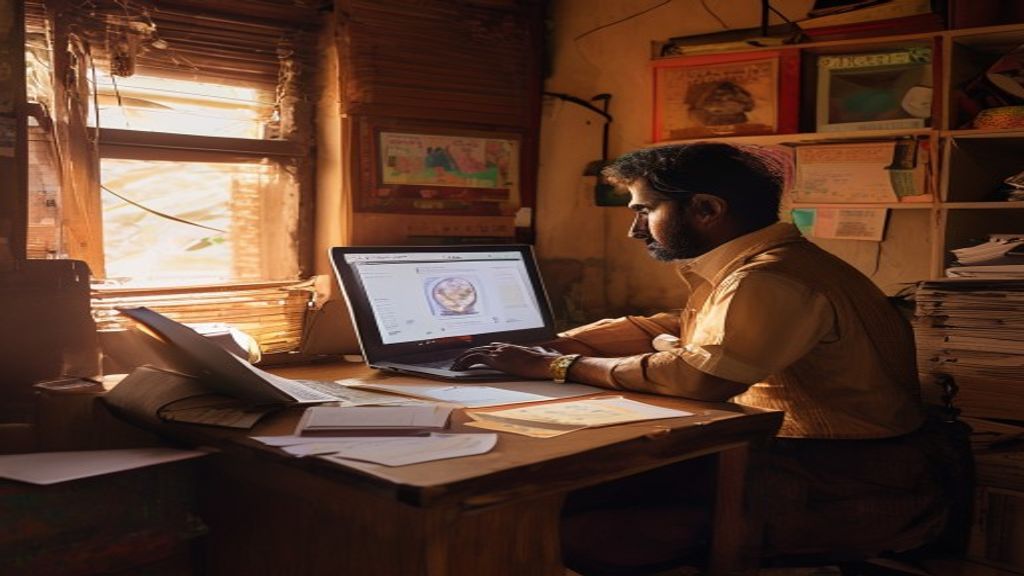
Ramesh bhai runs a small hardware shop in Udaipur. Two years back, his CA helped him register a Private Limited Company; the whole thing felt like a milestone, honestly. Life was good. Then last week, a WhatsApp message landed on his phone: “Director DIN deactivated. File DIR-3 KYC immediately or pay a heavy penalty.”
He panicked. He had no idea what DIR-3 KYC even means. He didn’t know the fee structure had been revised in 2026. And he was genuinely terrified he’d lose everything he’d built. At GoLegal, we’ve seen this exact scene play out dozens of times, a hard-working shop owner in Hiran Magri or Bapu Bazar, staring at his phone at 7 in the morning, wondering if his company is about to collapse over a form he’d never heard of.
If you’re facing the same or relatable issues, this article is written for you.
Short Answer: What Happened and What You Must Do
The Ministry of Corporate Affairs has recently notified the Companies amendment rule, 2026. This admnedments revied the overall fee structure and provided clarification regarding the timeline for filling the DIR-3 KYC form, commonly known as “Know Your Customer”. This form is mandatorily filled out by every company director.
If you’re a director of any Indian company, you must file DIR-3 KYC every year before 30 September. Miss that date and your DIN (Director Identification Number) gets deactivated. This eventually lets you pay a late fee to bring it back. The 2026 amendment changed those fees. This blog will help you understand exactly what applies to your situation.
Law Cited: What Rules Govern This?
- Companies Act, 2013 — Section 153 & Section 154: These sections govern Director Identification Numbers and their maintenance.
- Companies (Appointment and Qualification of Directors) Rules, 2014 — Rule 12A: This rule makes DIR-3 KYC mandatory for every director, every single year.
- Companies (Registration Offices and Fees) Rules, 2014: This sets the fee schedule. The 2026 Amendment Rules revised the fee table under this schedule.
- Companies (Registration Offices and Fees) Amendment Rules, 2026: Notified by MCA in April 2026. This is the change you need to act on right now.
Note: Criminal penalties under company law are now governed by updated provisions. Fraudulent misrepresentation in company filings may attract liability under the Bharatiya Nyaya Sanhita (BNS) 2023, which replaced the IPC from 1 July 2024, particularly provisions relating to cheating and false documentation.
Your Rights as a Director or Small Business Owner
- Right to information: MCA must publish all fee changes in the Official Gazette. You can access this free of charge at egazette.gov.in. This is all your responsibility.
- Right to file without a CA: You can file DIR-3 KYC yourself on the MCA21 portal. A CA or CS signature is required only for the full form version; the OTP-based web version doesn’t need it if your Aadhaar is linked.
- Right to legal aid: Under Article 39A of the Constitution, free legal help is available. Contact your District Legal Services Authority (DLSA) or use the Nyaya Bandhu app to connect with a pro bono lawyer if hiring one isn’t an option right now.
- Right to approach Lok Adalat: If you face a dispute with MCA or the Registrar of Companies over fees or penalties, a Lok Adalat can offer a settlement platform without the cost and delay of regular court proceedings.
- Right to reactivate your DIN: Even if your DIN is deactivated, you have every right to restore it by paying the prescribed late fee and filing the KYC form. Your company isn’t automatically closed. That’s the most important thing to understand.
- Right to appeal: If the ROC rejects your filing unfairly, you can appeal to the Regional Director under the Companies Act, 2013.
What Is DIR-3 KYC? Explained Simply
Every person who’s a director of an Indian company holds a DIN (Director Identification Number). Think of it as an Aadhaar card, but exclusively for company directors. The government wants to verify that each DIN belongs to a real, living, active person. So every year, you must file a form called DIR-3 KYC to confirm your identity and contact details.
There are two ways to file it:
- DIR-3 KYC Web (OTP-based): If your mobile number and email address were already verified in last year’s filing, you simply log in, confirm your details, and submit via OTP. No digital signature needed. This is the easier route and takes about five minutes on a decent internet connection.
- DIR-3 KYC (Full Form): If anything has changed, new mobile number, new address and new email, you must file the full form. This requires a digital signature from a practising CA or CS. Slightly more involved, but still very manageable.
The 2026 Amendment: What Exactly Changed?
The Companies (Registration Offices and Fees) Amendment Rules, 2026 revised the fee structure in the Schedule of Fees. Here’s what you actually need to understand before you sit down to file.
Filing Within the Due Date: 30 September Each Year
File DIR-3 KYC on or before 30 September of the relevant financial year, and the filing fee is zero rupees. That part hasn’t changed. Filing on time has always been free, and it remains the same under the 2026 amendment.
Late Filing: After 30 September
Miss the 30 September deadline and your DIN gets deactivated. To bring it back, you must file DIR-3 KYC and pay a late fee. The 2026 amendment revised this amount. Based on the updated Schedule of Fees:
- Late fee for DIR-3 KYC filing after the due date: ₹5,000 (as revised under the 2026 amendment).
Important: Always verify the exact current fee on the official MCA portal at mca.gov.in before filing, fees can be updated by further notifications at any time. The figure above reflects the 2026 amendment notification. Please don’t rely on old fee charts from your CA dating from 2023 or 2024; those numbers are outdated.
Why Did MCA Change the Fees?
MCA revises fees periodically to reflect administrative costs and to push directors toward timely compliance. The 2026 amendment is part of a broader drive to clean up and maintain India’s company database accurately. Think about it — if thousands of ghost directors hold active DINs on paper while sitting inactive, the whole regulatory system loses its integrity. Timely KYC solves that problem.
Step-by-Step: How to File DIR-3 KYC in 2026
Step 1: Check Your DIN Status
Go to mca.gov.in → MCA Services → DIN Services → Verify DIN/Director Details. Enter your DIN number and check whether the status reads “Approved” or “Deactivated.” If it shows deactivated, you’ll need the full form along with the late fee payment. This is the initial step to take.
Step 2: Keep These Documents Ready
- Aadhaar card (linked to an active mobile number)
- PAN card
- Active personal mobile number
- Personal email ID (not a company domain email)
- Passport-size photograph (for full form filing)
- Address proof, if your address has changed since last year
Step 3: Log In to the MCA21 Portal
Head to mca.gov.in and log in using your Business User account. No account yet? Register first, it’s free and takes less than ten minutes.
Step 4: Choose the Right Form
- If details are unchanged since last year, choose DIR-3 KYC Web. Verify the OTP on your mobile and email, submit and you’re done in five minutes.
- If there are any details that have changed, download the DIR-3 KYC form, fill it in carefully, get it certified by a practising CA or CS, attach the required documents and upload the whole package.
Step 5: Pay the Fee If Applicable
If you fill this form before the 30th of September, you don’t have to pay any fee for submission. But if it takes longer than that, there will be a late submission penalty of INR 5,000. You have to submit this fee through any online transaction source (credit card, debit card, net banking, or UPI).
Step 6: Download Your Acknowledgement
After you process with submition, you have to download the SRN (Service Request Number). This number you have to save on your phone and carry its printout. That receipt carries proof of compliance. Make sure that you keep it for at least 8 years, as ROC inspections can happen anytime.
Step 7: Verify That Your DIN Is Active Again
After 24 to 48 hours, log back in and check your DIN status. It should show “Approved.” If it doesn’t, call the MCA helpdesk at 1800-200-3009. That’s a toll-free number. Don’t just wait; follow up actively about the issue.
Where to Go for Help
| Resource | How It Helps | Contact |
|---|---|---|
| MCA Portal | File DIR-3 KYC online | mca.gov.in |
| MCA Helpdesk | Technical filing issues | 1800-200-3009 (toll-free) |
| Registrar of Companies (ROC) | Rajasthan ROC is based in Jaipur | rocjaipur@mca.gov.in |
| DLSA Udaipur | Free legal help for small businesses | District Court Complex, Udaipur |
| NALSA / SLSA Rajasthan | Free legal aid under Article 39A | nalsa.gov.in |
| Nyaya Bandhu App | Connect with pro bono lawyers | Available on Play Store |
| Lok Adalat | Resolve fee disputes without going to court | Through DLSA |
| GoLegal Consultancy | Expert corporate compliance help | +91 8302128006 |
Key Timelines — Remember These Dates
- 30 September every year: Last date to file DIR-3 KYC without paying anything. Missing these dates can lead to DIN getting deactivated. MCA’s system is automated and merciless about it.
- 1 October onwards: DIN status changes to “Deactivated due to non-filing of DIR-3 KYC.” You can’t sign a single company document with a deactivated DIN, including areas like board resolutions, annual returns and contracts.
- No upper time limit for reactivation: You can reactivate your DIN at any point by paying the late fee and filing the KYC form. But you also have to understand that every day of deactivation creates a compounding compliance problem for your company.
- AGM and ROC Filing Season: If your DIN goes inactive during September and October (peak filing season), you can’t sign annual returns. That triggers a chain reaction of penalties. Make sure that you file your KYC early.
Common Mistakes to Avoid
- Assuming your CA filed it automatically: At GoLegal, we’ve seen this happen countless times. Many small business owners assume their accountant handles the KYC as part of some bundled service. Confirm it in writing and get the SRN receipt yourself.
- Using a company email instead of a personal email: DIR-3 KYC requires your personal email ID. A company domain email won’t work for OTP verification in the web version; the system simply rejects it.
- Not updating a changed mobile number: One of our client owning a textile trader, who had incorporated a Pvt Ltd for his export business, changed his phone number but didn’t update Aadhaar. The OTP kept failing. He ended up needing the full form with CA certification, which cost him two extra weeks and additional professional fees. Make sure you don’t make such errors.
- Paying old fee amounts: Some outdated websites and well-meaning but poorly informed consultants still quote ₹500 as the late fee. That’s the rate before 2019. Always check mca.gov.in for the current figure before making any payment.
- Ignoring deactivation notices: MCA sends emails and SMS alerts. Don’t ignore them, thinking it’s spam. A deactivated DIN means you legally cannot act as a director, and board resolutions you sign become invalid. This comes with the power to expose your company to serious legal risk.
- Filing under the wrong financial year: The form asks you to specify the financial year. Selecting the wrong year wastes your money and doesn’t actually fix the deactivation. Make sure that you double-check before hitting submit.
- Not saving your acknowledgement: Many people submit the form, feel relieved and close the browser. That SRN receipt is your only proof of filing. Download it immediately and keep it safe.
Frequently Asked Questions (FAQs)
FAQ 1: I have a DIN, but I’m not actively working as a director. Do I still need to file DIR-3 KYC?
Yes, till the time your DNA is presented in the MCA system, you must file the KYC every year before the deadline date. Even if you are resigning as a director, KYC is one of the most mandatory documents.
FAQ 2: My company has been struck off or closed. Do I still need to file DIR-3 KYC for my DIN?
If the company has struck off but your DIN is activly till date, you are technically still obliged to file. In such cases, you need to consult a good company lawyer. Avoiding such cases can lead to huge financial losses.
FAQ 3: Can I file DIR-3 KYC myself without a CA? Is it difficult?
You can definitely file the DIR-3 KYC Web version yourself if your details haven’t changed. It takes about five to ten minutes. You’ll need OTPs sent to your Aadhaar-linked mobile number and registered email address. For the full form (required when any detail changes), a practising CA or CS must certify it. Their professional fee typically runs between ₹500 and ₹2,000, depending on your city and your relationship with the professional.
FAQ 4: What happens to my company if my DIN is deactivated?
Your company doesn’t automatically shut down. This is the first thing to understand clearly. But the deactivated director can’t sign any official documents: board resolutions, annual returns, contracts, nothing. If every single director of a company has a deactivated DIN, the company effectively can’t function legally until KYC is filed and the DINs are restored. Is that a situation you want to be in during a critical business negotiation or a bank loan renewal? Probably not.
FAQ 5: I can’t afford the ₹5,000 late fee right now. What can I do?
The late fee itself is mandatory and non-negotiable through the MCA portal. There’s no waiver mechanism built into the system. However, if the deactivation has triggered further legal complications for your business, contact your District Legal Services Authority (DLSA) in Udaipur for free legal advice under Article 39A. The Nyaya Bandhu app can connect you with a pro bono lawyer who can lay out your options honestly. You can also reach GoLegal Consultancy at +91 8302128006. We can talk through a practical compliance plan that works within your constraints.
FAQ 6: I filed DIR-3 KYC last year. Will MCA send me a reminder this year?
Although the task of MCA is to send SMS reminders and emails, but dilivery is not at all guaranteed. This is especially in consideration if your contact details have been updated or messages have been filtered as spam. You don’t have to always depend on the government to remind you of the compliance. You have to set the reminders every year, approximately around the 1st of September to the 5th of September, to start the KYC process. You will need at least a full month’s buffer before the deadlines arrive.
Final Word: Compliance Is Cheaper Than Penalties
Remember Ramesh bhai from the opening? He called us. At GoLegal, we walked him through the whole situation and explained that his DIN had gone inactive because he’d missed last year’s filing. We guided him through the DIR-3 KYC process with the late fee payment, and his DIN was back to “Approved” status within 48 hours. His hardware business is running fine today. The panic was real, but the solution was completely manageable.
DIR-3 KYC takes ten minutes if done on time and costs nothing if filed before 30 September. Mark your calendar right now. Set a reminder for 1 September. File it early and protect what you’ve built.
⚠️ Disclaimer
This article is for general information only and does not constitute legal advice. Company law and MCA fee schedules are subject to change by government notification at any time. Always verify current fees and deadlines at mca.gov.in or consult a qualified Company Secretary (CS) or Advocate before filing. GoLegal Consultancy, Udaipur, Rajasthan, is not responsible for any actions taken based solely on this article.
📞 Need Help? Contact GoLegal Consultancy Today
Our professional staff in Udaipur helps the small business owner, first-time entrepreneurs, and even shopkeeprs will all the MCA-related compliances. This often includes areas like DIR-3 KYC, company registration and annual filings. We actively speak with the client, explaining to them the technical things in a clear way and keep everything affordable, as we know what it’s like to run a small business in this city.
📱 Call/WhatsApp: +91 8302128006
🌐 Website: golegalconsultancy.com
📍 Serving: Udaipur, Rajasthan and across India online
Free first consultation available. NALSA and Lok Adalat referrals were provided where eligible.