
Ensuring Electoral Rolls Are Free of Foreigners: ECI’s Constitutional Duty Under Supreme Court Scrutiny
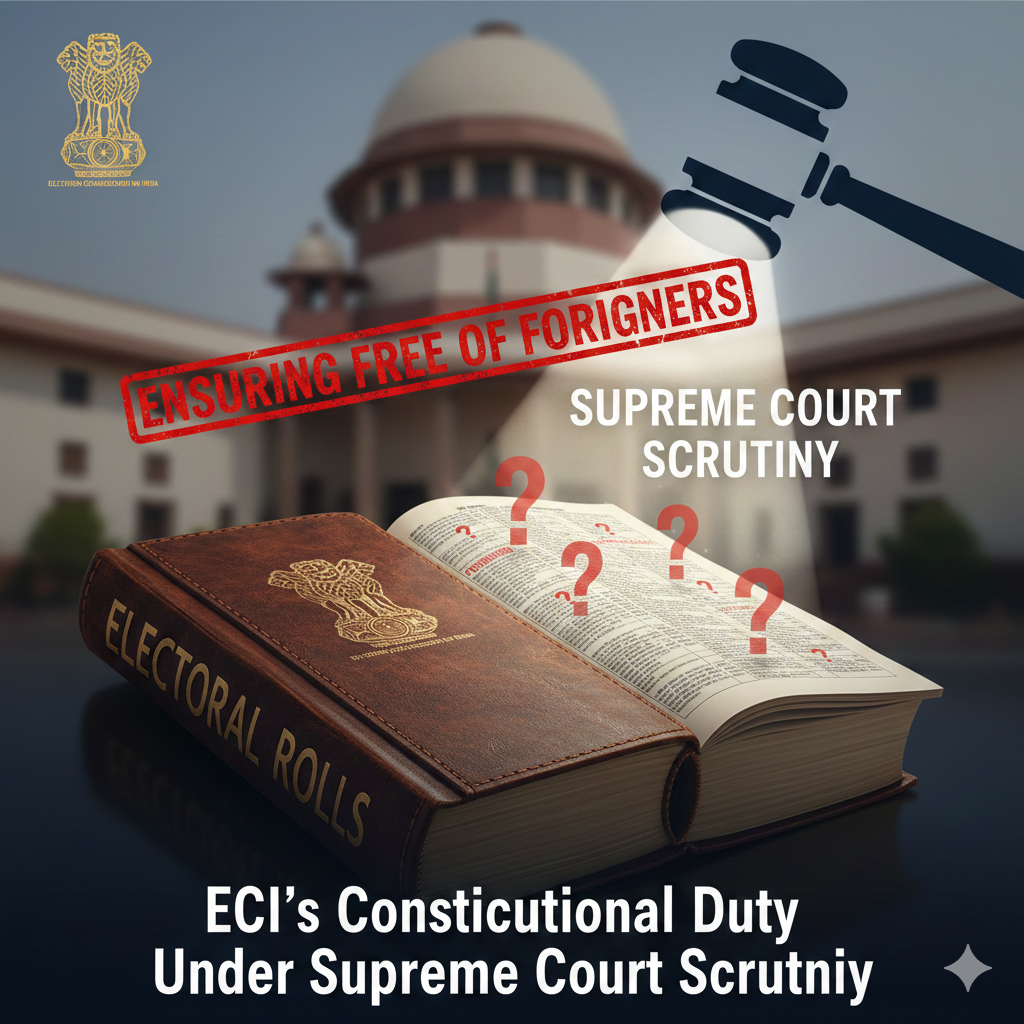
On January 6‑7, 2026, the Election Commission of India (ECI) appeared before a Constitution Bench of the Supreme Court of India, defending the legality and necessity of the ongoing Special Intensive Revision (SIR) of electoral rolls being conducted across multiple States. At the heart of the debate was the Commission’s assertion that it has a […]
What Is the General Diary of the Police and How Is It Related to an FIR?
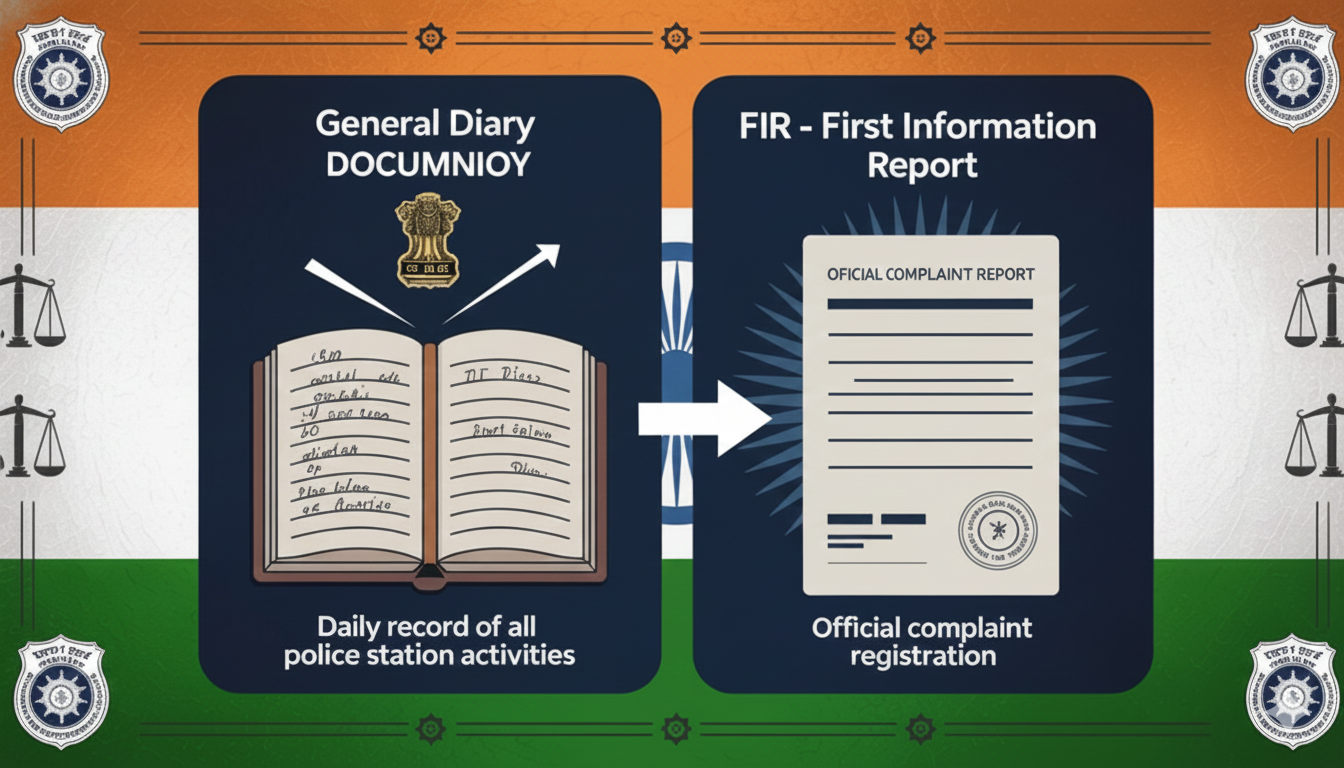
Every criminal justice system around the globe has record-keeping as their basis for accountability, transparency, and fair play. In India, the General Diary (GD), the most significant document, is generally disregarded by the public. Even if the General Diary is not a legal document like an FIR, it has played a crucial role in police […]
What Is BNSS? How Is It Different from CrPC?
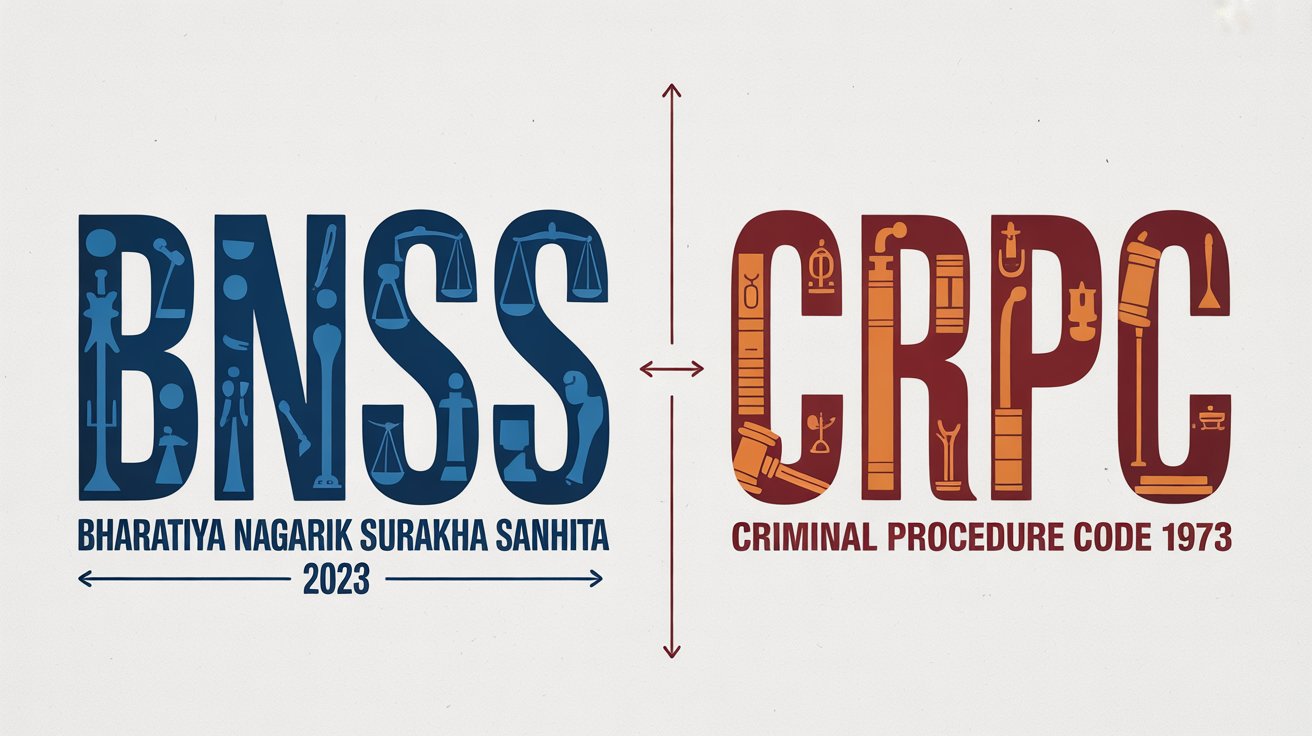
The year 2023 has been a significant milestone in the criminal justice system of India with the arrival of the Bharatiya Nagarik Suraksha Sanhita (BNSS). This law has done away with the Code of Criminal Procedure, 1973 (CrPC). The aim of BNSS is to overhaul the existing criminal procedures ensuring they are no longer complex, […]
Section 3 – Bharatiya Nagarik Suraksha Sanhita (BNSS) – Construction Of References

The Bharatiya Nagarik Suraksha Sanhita’s entrance was a major turning point in the criminal procedure system of India. This law was put into action with BNSS 2023 and it already replaced the previous procedural codes aiming at making legal interpretation clearer and more consistent. One of the basic provisions, Section 3 BNSS, is of great […]
Public Interest Litigation (PIL) in India: Meaning, Evolution, Scope, and Legal Framework
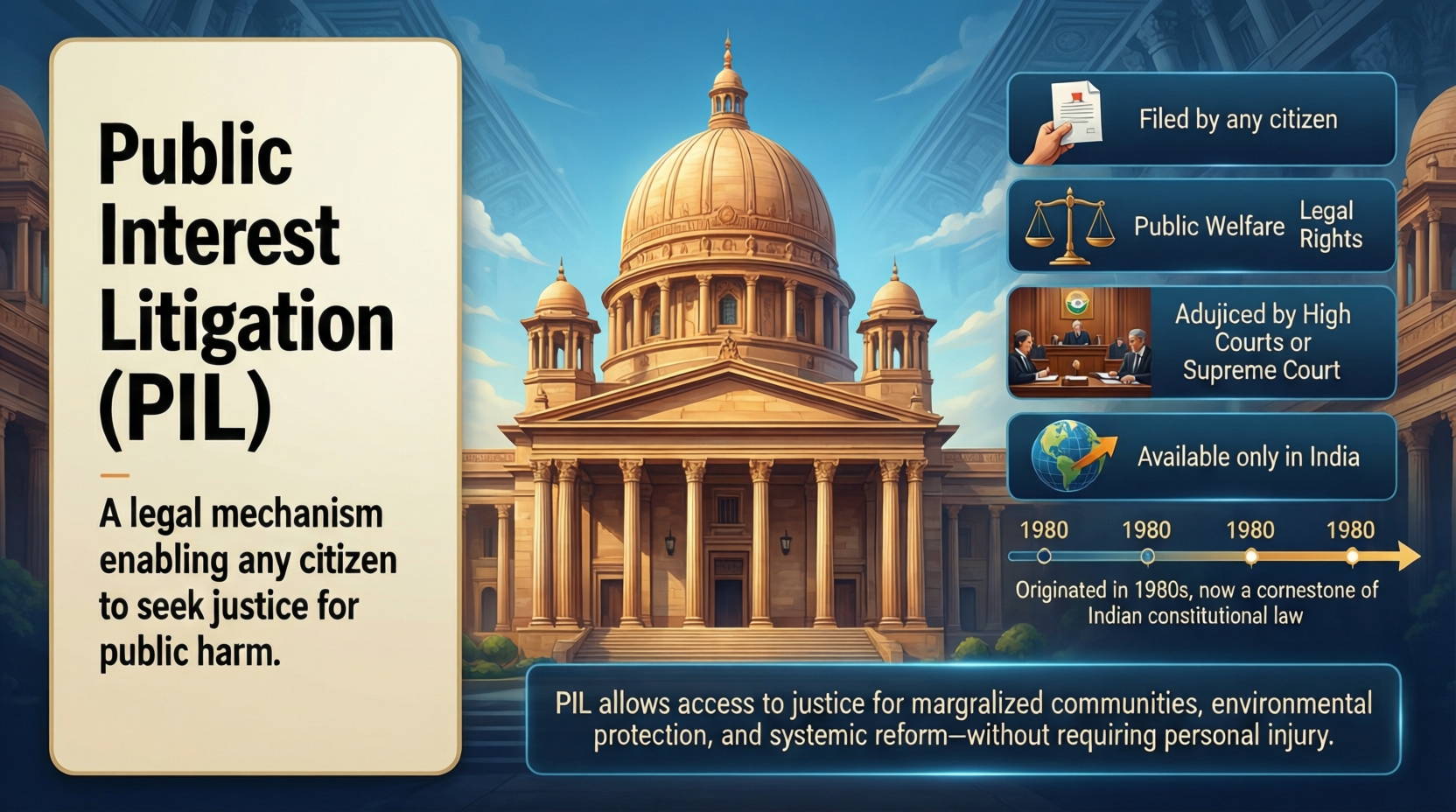
Public Interest Litigation (PIL) is an extremely important legal innovation by courts in the Indian legal system. It has completely changed the classical notion of litigation by making it possible for courts to intervene in cases of public interest, especially where the rights of the poor or the marginalized are involved. Courts will not only […]
Understanding the Difference Between Police Custody vs Judicial Custody

When an individual is taken into custody for a crime, his/her/their legal treatment varies depending on whether the person is in police custody vs judicial custody. Even though both of them mean the same thing, that is, loss of liberty, the goals, legal basis, duration, safeguards, accuser’s implications, and so on are totally different. The […]
Section 2 – Bharatiya Nagarik Suraksha Sanhita (BNSS) – Definitions

The Bharatiya Nagarik Suraksha Sanhita (BNSS) 2023 has replaced the Code of Criminal Procedure of 1973 and hence it is a framework with a drastic change in India’s criminal procedure. Although the substantive provisions of BNSS cover the investigation, inquiry, and trial, the proper application of the provisions depends largely on the unambiguousness of the […]
Unnao Rape Case Latest: Legal Meaning and Impact of the Supreme Court’s Stay Order
On December 29, 2025, the Supreme Court of India delivered one of the most important judicial interventions in the high-profile Unnao rape case by staying the Delhi High Court’s order that had suspended the life sentence of Kuldeep Singh Sengar and granted him bail. This development has significant legal, social, and institutional implications — not […]
Supreme Court’s Stay on the Aravalli Hills Judgment: A Turning Point in India’s Environmental Jurisprudence

On December 29, 2025, the Supreme Court of India issued a significant order staying its previous ruling concerning the Aravalli Hills and Aravalli Ranges, which are among the most significant ecological resources in India. This stay is not just a matter of procedure; it implies a comprehensive reassessment of the interconnections between environmental protection, scientific […]
Section 1 – Bharatiya Nagarik Suraksha Sanhita (BNSS)

The Bharatiya Nagarik Suraksha Sanhita 2023 introduction is a drastic change in India’s criminal procedural law. The act to be enforced by the legislation, first, is the section 1 BNSS, that defines the short title of the new law, its geographical area of effect, and the way in which it comes into force. Although it […]