
Difference Between FIR, Complaint & Charge Sheet in Criminal Law
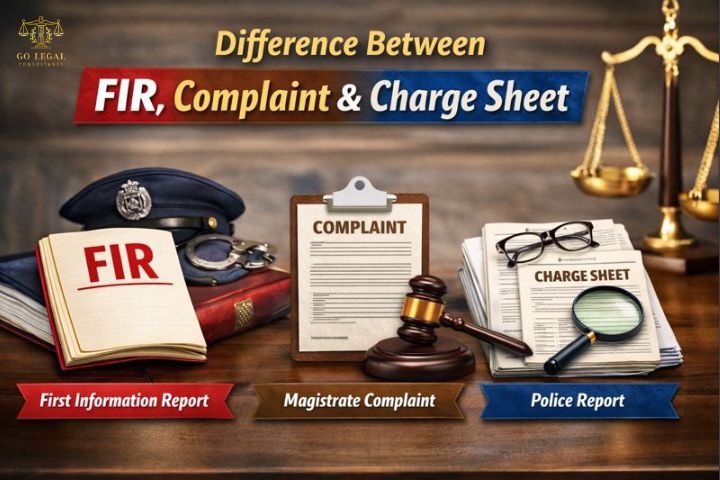
To understand how the criminal justice system in India operates people must learn how FIR vs complaint vs chargesheet differ from one another. The Bharatiya Nagarik Suraksha Sanhita, 2023 (BNSS) which replaces the CrPC establishes a new procedural framework that maintains its existing structural design while introducing new terminology and time requirements. The legal system […]
UGC Bill 2026: Supreme Court Stays Implementation of New Rules
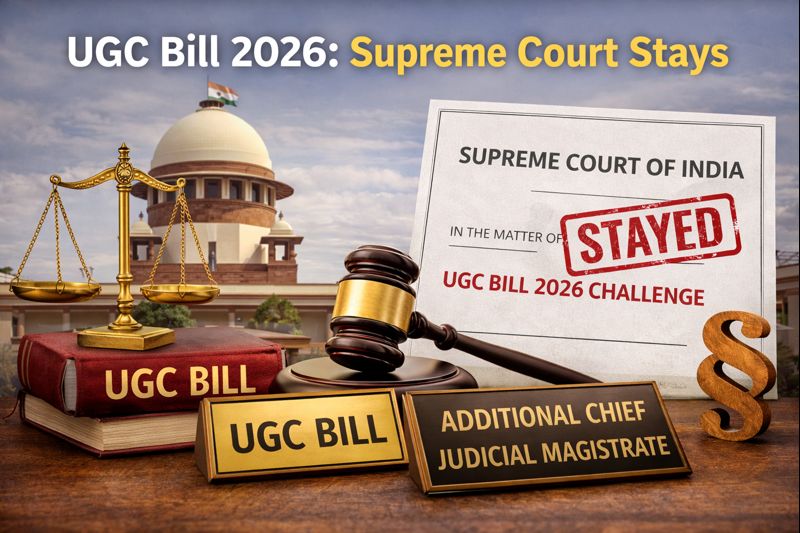
Indian higher education institutions face judicial examination during this crucial time period. The UGC Bill 2026 Supreme Court Stay transformed university campus regulations through its January 29 2026 legal implementation. The current interim order has suspended the implementation of the “University Grants Commission (Promotion of Equity in Higher Education Institutions) Regulations, 2026” which has generated […]
Ram Mandir Ayodhya Case: Legal History and Supreme Court Judgment
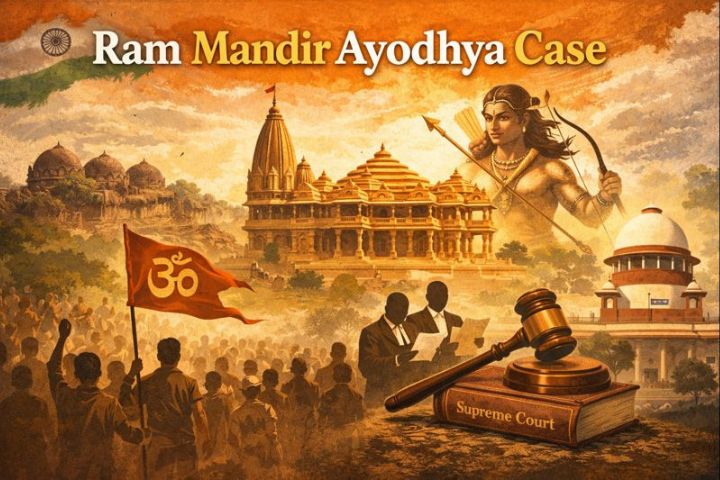
Case Overview The Ram Mandir Ayodhya case, formally titled M. Siddiq (D) Through LRs vs. Mahant Suresh Das & Ors., was a civil land title dispute concerning a 2.77-acre site in Ayodhya, Uttar Pradesh. The case was finally decided by a five-judge Constitution Bench of the Supreme Court of India on 9 November 2019. At […]
What is BNSS 2023? Complete Guide to Bharatiya Nagarik Suraksha Sanhita
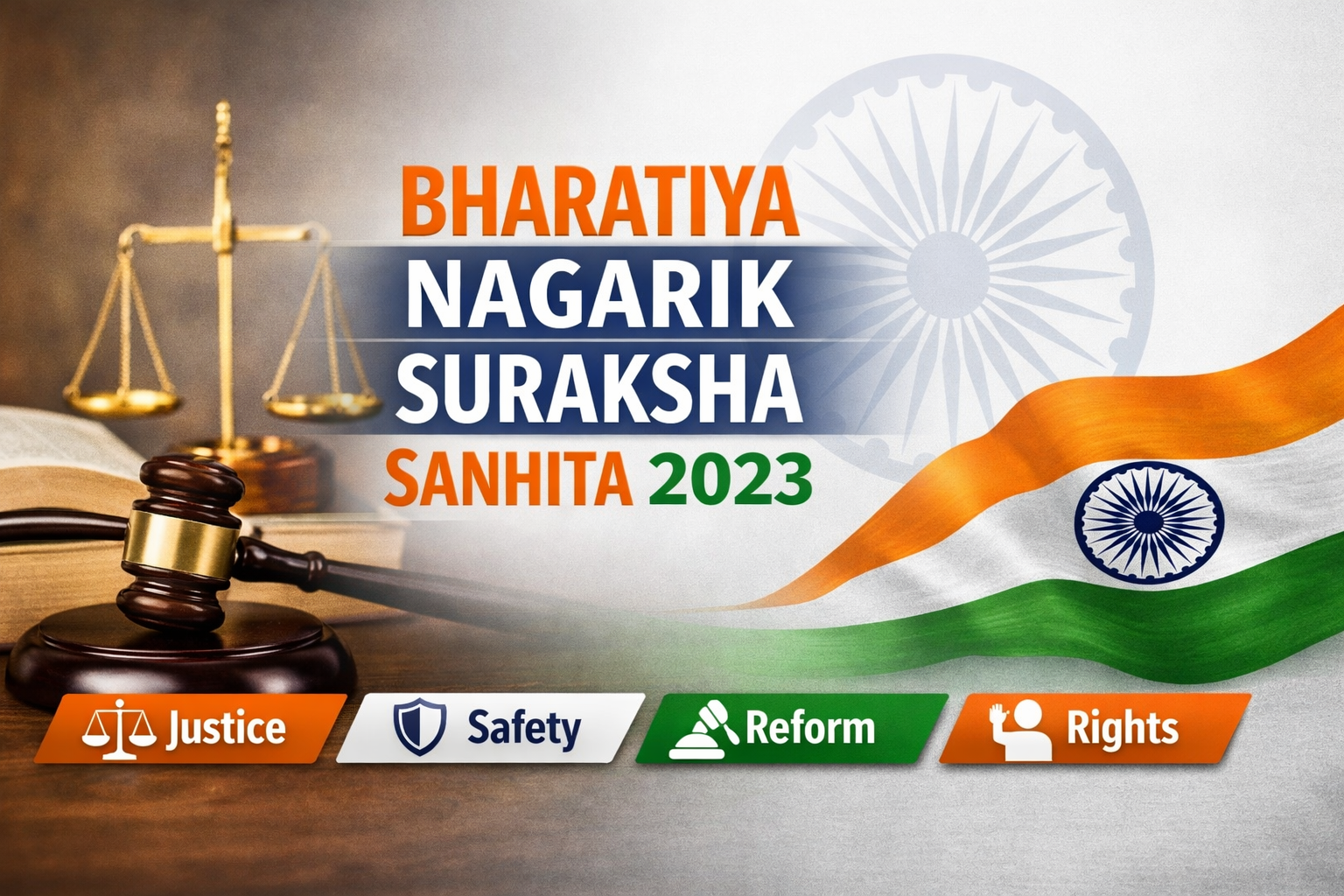
The Bharatiya Nagarik Suraksha Sanhita 2023 law brought about a fundamental change to India’s criminal justice system. The new law replaces the colonial-era Code of Criminal Procedure (CrPC) which establishes new procedures for criminal investigations and arrests and trials and citizen rights protection. The article provides a comprehensive overview of BNSS 2023 by using accessible […]
Interpreting Section 175(4) BNSS: Supreme Court’s Guidance on Public Servant Investigation Procedure
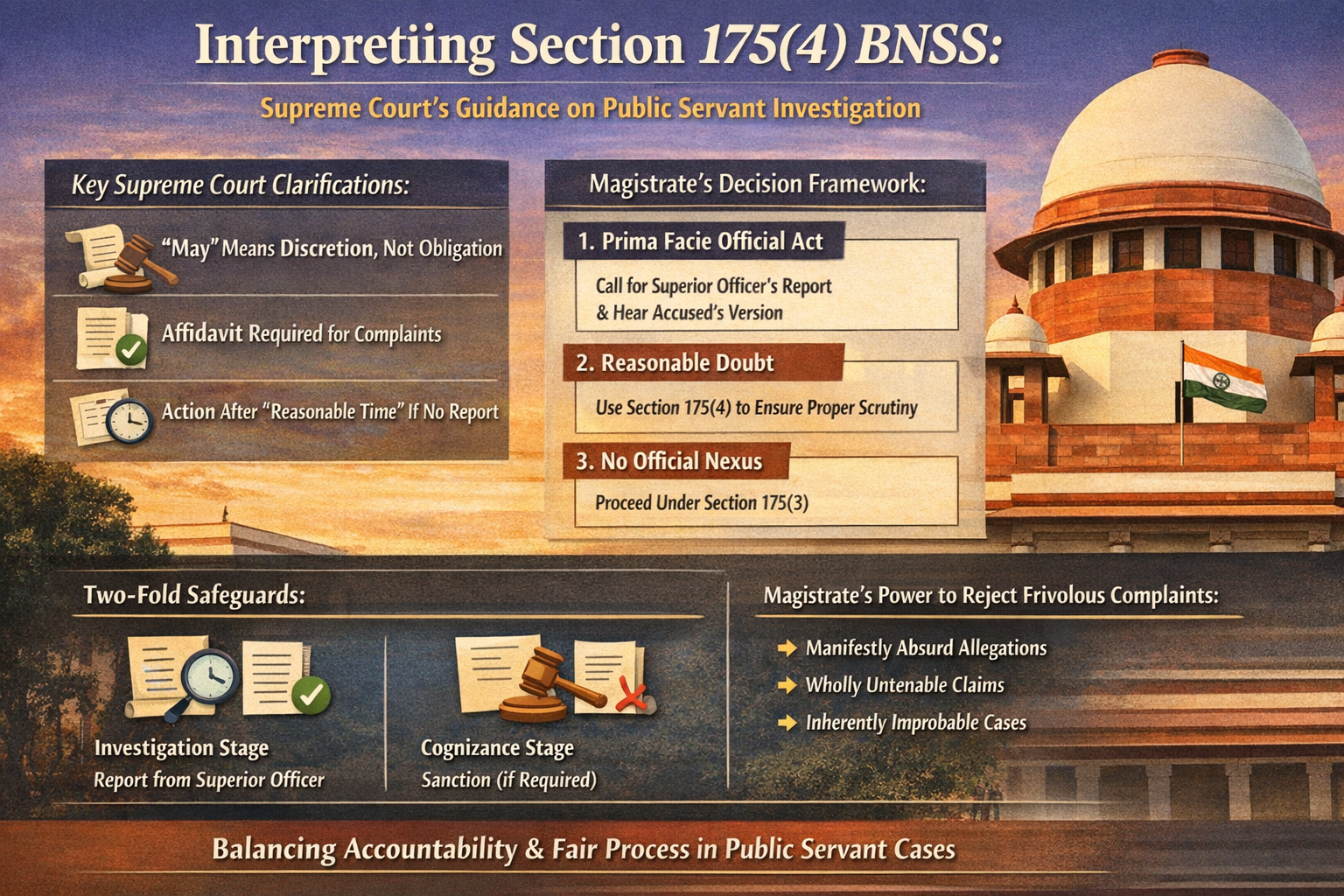
The Supreme Court of India has recently issued a critical clarification on how magistrates must handle complaints alleging offences by public servants under Section 175(4) BNSS, 2023. The guidance which was delivered on 27 January 2026 provides procedural direction which explains the specific times and particular methods a magistrate must use to obtain a superior […]
Pakistan Lawyer Imaan Mazari Sentenced 17 Years: All You Need to Know

The international human rights community has reacted to a landmark verdict which has created upheaval in the legal system of Pakistan. The Islamabad court issued its severe ruling against human rights defender Imaan Zainab Mazari-Hazir which activists consider to be an attack on free speech rights. The global community focuses its attention on Imaan Mazari […]
Habeas Corpus and Quo Warranto: Your Right Against Illegal Detention

The Indian Constitution grants its most important rights through the protection of personal liberty. The historical record demonstrates that authorities who misuse their power create conditions which result in both illegal detention and unlawful appointments and public office abuse. The Constitution enables citizens to defend themselves against such behaviors through its Constitutional Writs which serve […]
UGC Regulations 2026: Major Changes in Higher Education Rules Explained
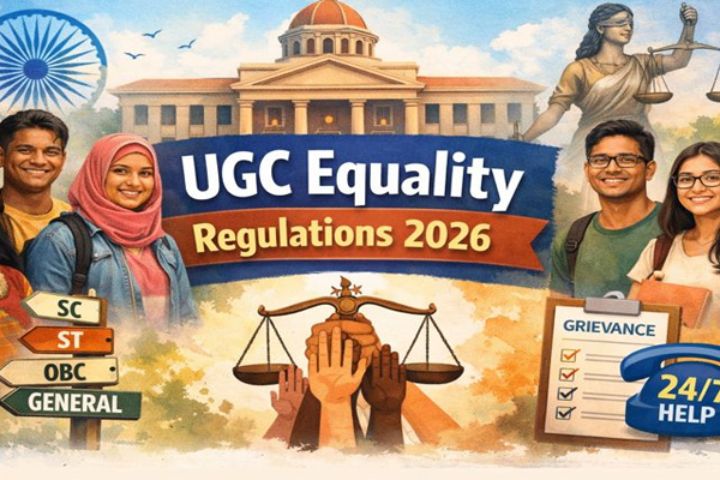
The introduction of UGC Regulations 2026 brings a decisive change which transforms higher education in India. The regulations create a complete transformation of university and college operations which includes their funding methods and evaluation processes. The University Grants Commission (UGC) serves as the main regulatory authority which brought these changes to solve multiple ongoing problems […]
Supreme Court Bench of Justices J.B. Pardiwala and Sandeep Mehta: Key Judgments and Legal Significance
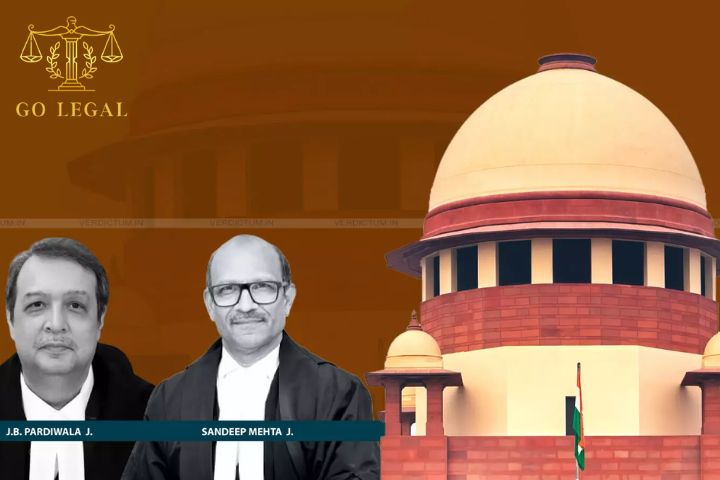
An in-depth analysis of recent jurisprudence and its impact on law and regulation The Supreme Court of India shapes law through two main methods because it interprets constitutional law and establishes procedural rules for economic and regulatory cases. A two-judge bench which included Justices J.B. Pardiwala and Sandeep Mehta delivered a significant recent ruling which […]
Difference Between Police Remand, Judicial Remand, and Law

The Indian legal system establishes its rules for criminal investigation through Police Remand and Judicial Remand which determine how law enforcement officers should handle detained suspects during their investigation and court proceedings. People misunderstand these concepts because they appear in courtroom testimonies and news articles. People mistakenly think that Police Remand and Judicial Remand function […]