
Habeas Corpus: Constitutional Protection Against Illegal Detention
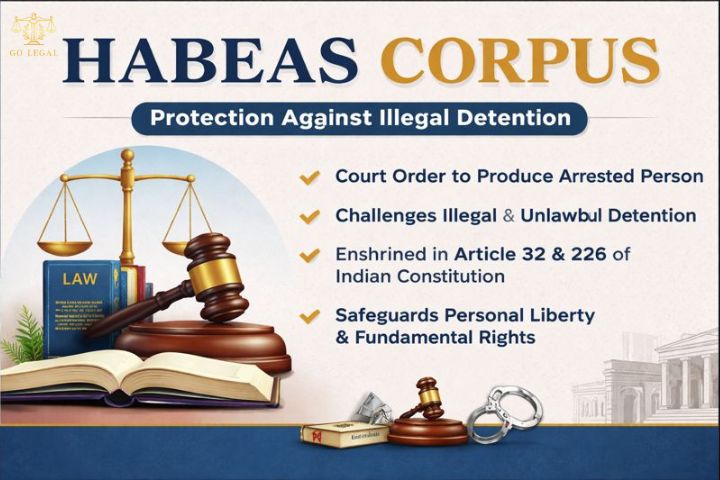
Habeas Corpus stands as one of the strongest legal protections, safeguarding individuals from unlawful imprisonment and acting as a vital check on the misuse of governmental power. This judicial order places a direct restriction on illegal detention, ensuring that the constitutional guarantee of personal liberty under the Constitution is not violated without lawful justification. In […]
What is a Court Summon? Essential Law Facts Every Citizen Should Know
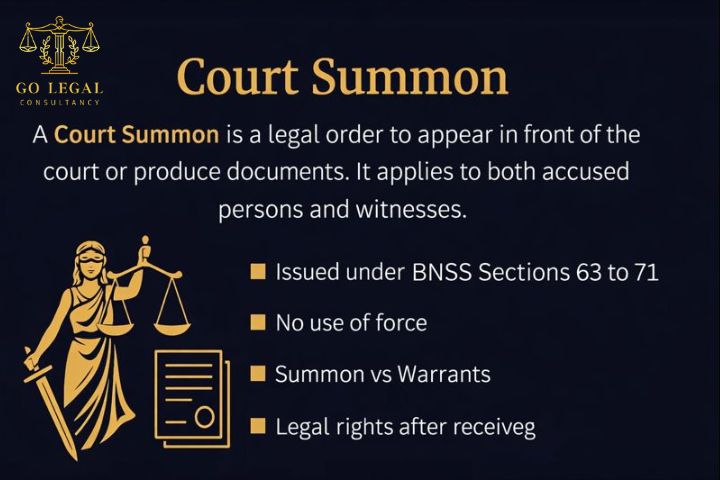
A Court Summon serves as a basic legal document which enables India to operate its criminal justice system. The document establishes formal contact between a court and a person whom the court requires to present themselves or their documents. The public experiences fear when they hear the term “summon” because they wrongly believe it leads […]
Supreme Court Mandates Public Disclosure of ‘Logical Discrepancies’ in West Bengal Voter List — A Turning Point for Electoral Transparency
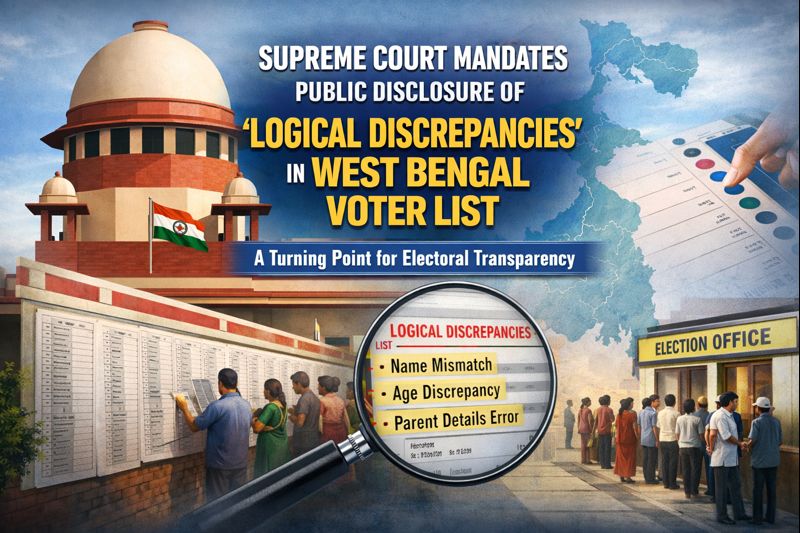
The Election Commission of India (ECI) has published voter information through its official website after the Supreme Court of India ordered them to release names of voters who had been marked with “logical discrepancies” status. The Special Intensive Revision (SIR) process in the state reaches its first major milestone through this process that will be […]
The Perfect Counterfeit: How the World Was Fooled by Forgery

Trust functions as the primary element that supports all legal systems and financial systems and social systems. Society accepts documents and records and certificates and official papers as authentic proof because it believes these materials to be real. The introduction of Forgery into the situation creates a total breakdown of this trust relationship. Across the […]
Cheating Under Indian Criminal Law: Meaning, Elements, Punishment
In India, cheating emerges as the most common alleged crime which people raise during legal disputes about money and property and employment matters and business transactions. Indian courts have established that not every broken promise or failed transaction constitutes a criminal offence although financial loss leads to criminal complaints. Indian cheating under Indian criminal law […]
Bharatiya Nyaya Sanhita: New Laws for Cheating and Forgery
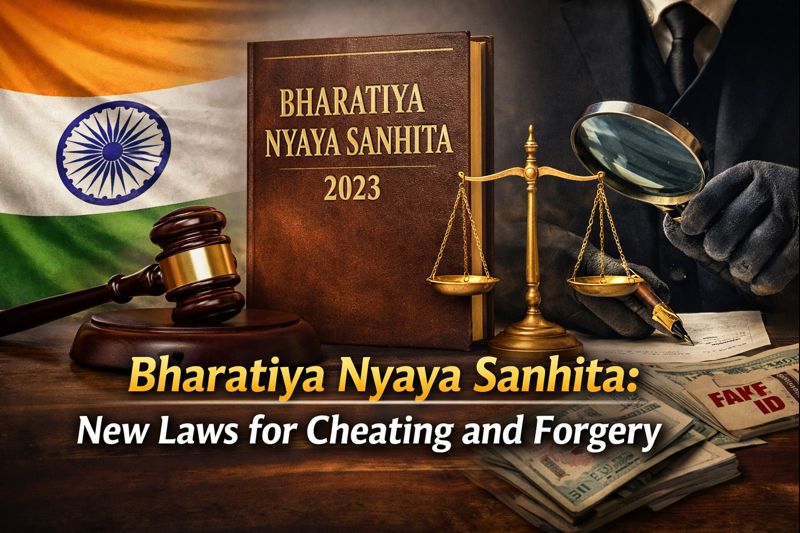
The criminal justice system in India has undergone a historic transformation with the introduction of the Bharatiya Nyaya Sanhita, 2023 (BNS), replacing the Indian Penal Code, 1860. The Bharatiya Nyaya Sanhita introduced its most important changes through new regulations which address both economic offenses and document fraud crimes that include cheating and forgery. These offences […]
Top 10 Criminal Lawyer in India and Their Fees
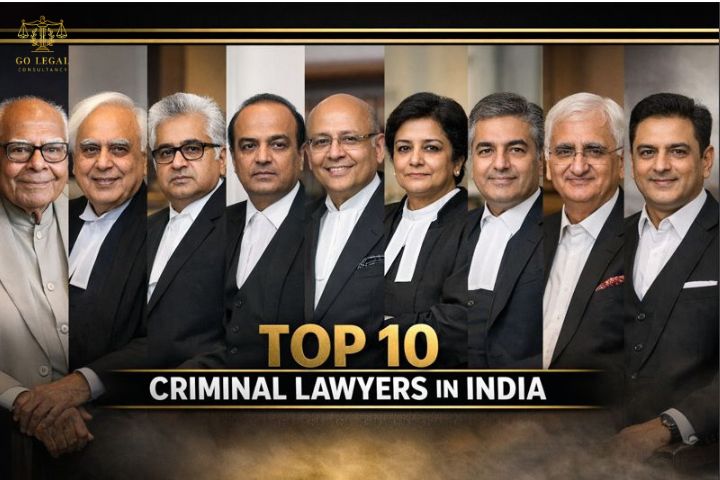
The legal field of criminal litigation in India represents a serious legal practice which leads to results that determine how people will spend their lives and how others will see them and what opportunities they will have in life. The presence of a competent lawyer becomes essential throughout all legal processes which start with bail […]
Supreme Court Clarifies Probation of Offenders Act, 1958: Conviction Stigma Remains in Service Punishment Proceedings
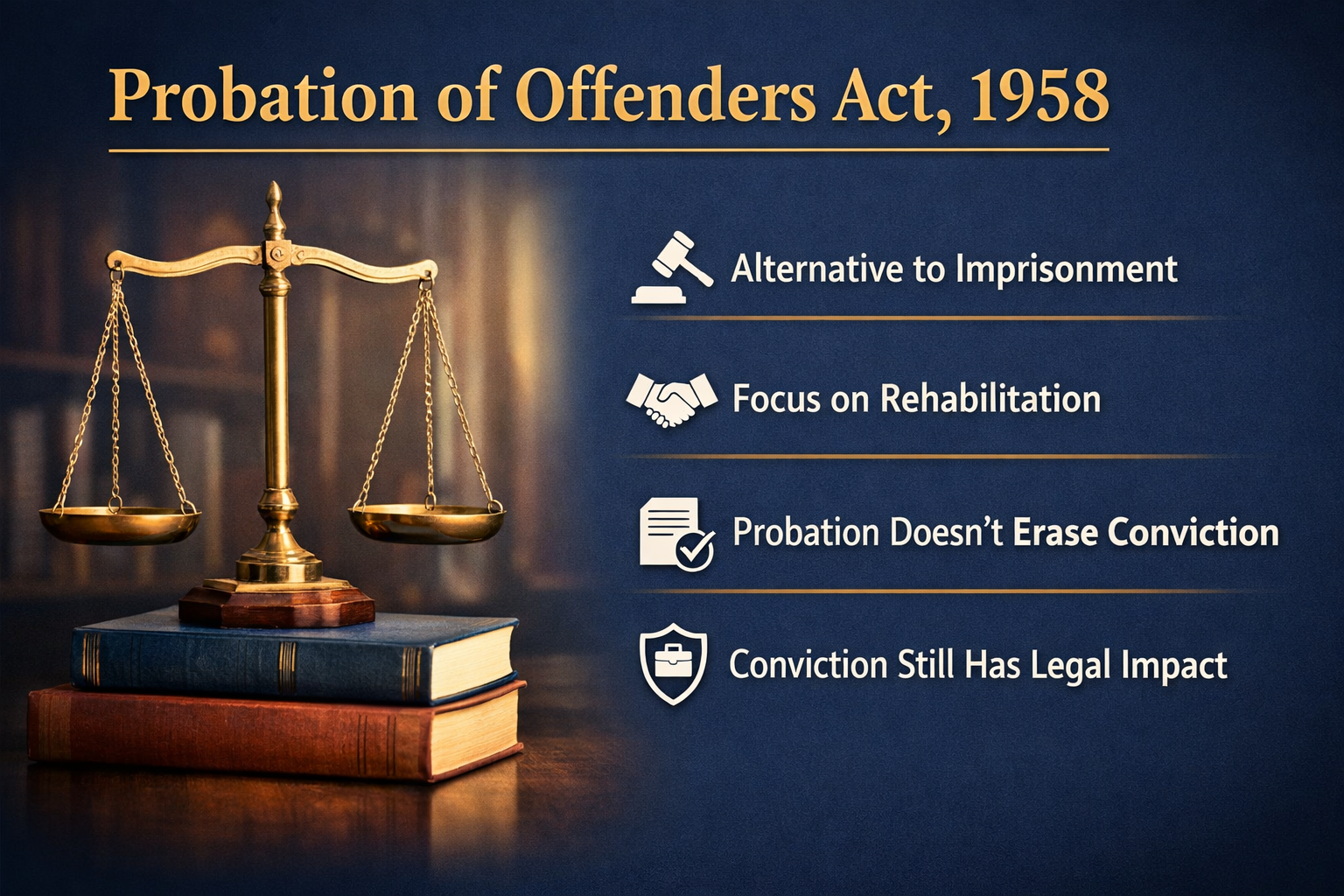
The Supreme Court of India issued a historic ruling which examined whether probation under the Probation of Offenders Act, 1958 removes the conviction record from an offender’s disciplinary records. The judges Justice Prashant Kumar Mishra and Justice N.V. Anjaria established that probation release does not remove conviction records, which means probation cannot serve as a […]
West Bengal SIR: Logical Discrepancies, Supreme Court Scrutiny, and Electoral Transparency
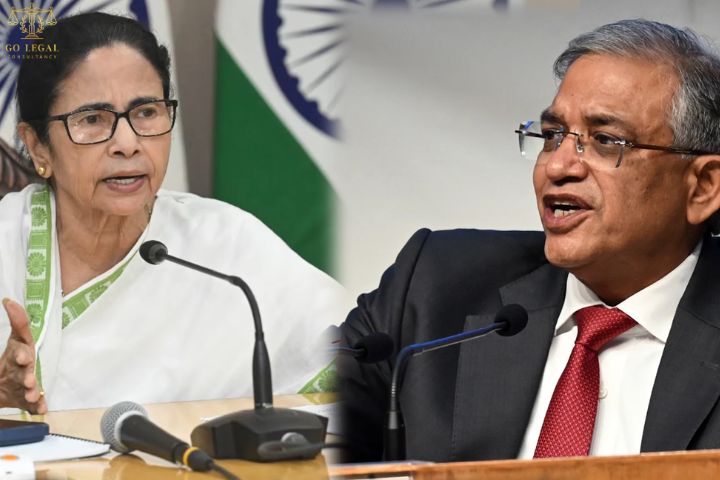
The West Bengal SIR has transformed into a critical national matter which demonstrates how India manages its electoral systems and safeguards its citizens’ voting rights. The democratic system requires correct electoral rolls during election periods to ensure its legitimacy. The West Bengal Special Intensive Revision (SIR) process has created problems because it identified multiple voters […]
State Agencies Can Investigate Corruption by Central Govt Officers: Landmark Supreme Court Ruling on Jurisdiction Under the Prevention of Corruption Act
Corruption is a factor that leads to the loss of public trust, resulting in the weakening of the institutions and the following of the law being undermined. The democracies cannot do without the efficient investigation and prosecution of corruption as they are the very breath of accountability. The Supreme Court of India, in a recent […]